
Empowering Students
Through the World of Work

Cajon Valley Union School District, an 18,000-student district located in East San Diego County, has become one of the national leaders in redefining what career readiness looks like in K–12 education. Of the district population, 78% are eligible for free or reduced-price lunch, and 35% are English learners. Through its innovative World of Work initiative and Bostonia Global, an in-district charter school, the district is helping students uncover their strengths, interests, and values as early as kindergarten and translating that self-knowledge into real-world career exposure, mentorship, and paid pre-apprenticeship opportunities by high school. Their mission, “Happy kids, healthy relationships, on a path to gainful employment,” isn’t just a slogan; it’s a lived reality that guides every aspect of their system design.

Career-Connected Exploration: From RIASEC to Real-World Insight
Cajon Valley’s World of Work (WoW) program introduces students to six different careers each year, beginning in elementary school. Built on the RIASEC Framework (Realistic, Investigative, Artistic, Social, Enterprising, Conventional), students take annual surveys to self-identify with career profiles that align with their personal strengths and preferences. These identities aren’t abstract; they’re deeply embedded into classroom language, visuals, and learning activities.
WoW follows a four-level model:
- Level 1: Exposure to careers through interactive videos and grade-level aligned lessons.
- Level 2: Classroom-based simulations of professional environments.
- Level 3: Direct interaction with professionals, often through Nepris, a virtual mentorship platform.
- Level 4: Application—students reflect, practice, and apply what they’ve learned to real-world contexts.
At Bostonia Global, Cajon Valley’s public charter inside the district, students can co-create X-Factor electives aligned to their interests, while high school students begin mentorships in their freshman year. The message is clear: student identity and career exploration are not electives—they’re core to learning.
How Cajon Valley Helps Students Build Social Capital
As shared on their webpage, Cajon Valley builds students’ social capital through its self- and career exploration curriculum, the World of Work. Each school year, students explore a minimum of six careers in each of the RIASEC themes, simulate work experiences, meet professionals, and participate in demonstrations of learning. Teachers curate face-to-face or virtual engagement with professionals by leveraging their existing relationships that connect classrooms to industry experts. Students also receive support in understanding their unique strengths, interests, and workplace values, which helps them build self-awareness skills that support relationship-building.
Pillar 1: Education and Career Navigation: Advisory as a Daily Practice
At Bostonia Global, advisory isn’t a once-a-week check-in; it’s a cornerstone of the school culture. Each day begins with a one-hour morning advisory block and concludes with a checkout session. This consistent structure fosters strong student-teacher relationships and allows time for deep personal reflection, academic planning, and connection with families.
Advisors:
- Host community circles and team-building activities.
- Set goals and develop Individualized Learning Plans (ILPs) with students.
- Monitor academic progress and social-emotional well-being.
- Engage regularly with families via phone, text, or in person.
This advisory model reinforces a strengths-based culture, where students see themselves not only as learners but as future professionals navigating their unique path forward. As one leader shared, the goal is to ensure every student “knows themselves, can communicate who they are, and has an individualized pathway.”
Pillar 3: Work-Based Learning: Paid Pre-Apprenticeships That Transform Futures
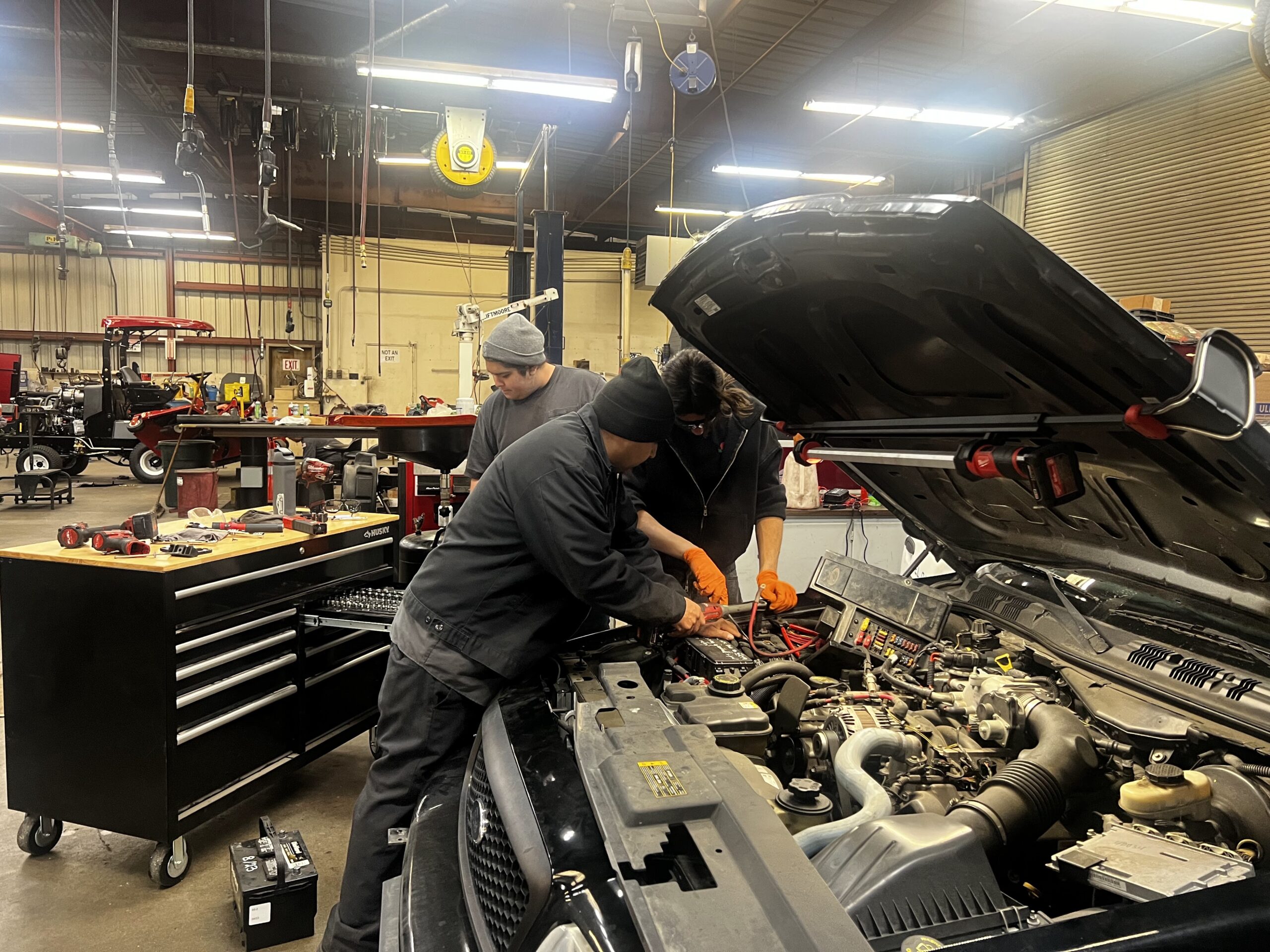
Perhaps the most groundbreaking component of Cajon Valley’s model is its approach to paid pre-apprenticeships. Through partnerships with the San Diego Automotive Museum and the Associated General Contractors Apprenticeship Program, students earn both high school and college credit, as well as gain income while gaining hands-on experience.
Christopher Vargas Ibarra, a student at Bostonia Global, exemplifies the impact of this model. With a passion for vehicles sparked at a young age, he participated in mentorships with the City of El Cajon Fleet Services and then transitioned into a paid pre-apprenticeship program at the Automotive Museum. His work has included restoring classic cars, learning financial literacy, and gaining insight into future automotive trends.
“To get to see that engine running, hearing it roar to life… it just feels really, really amazing and rewarding,” he shared. Christopher’s story isn’t just inspiring; it’s a roadmap for how school systems can provide authentic experiences that translate directly to employability.
These opportunities are made possible by creative scheduling models (structured like field trips), real-time check-in systems (such as ImBlaze), and strong agreements among schools, parents, advisors, and industry partners. Students gain more than skills—they gain confidence, purpose, and a tangible sense of direction.
System Design & Equity: Built With, Not For, Students
A fearless commitment to student agency and equity fuels Cajon Valley’s innovation. Leaders reject cookie-cutter pathways in favor of co-designing opportunities with students. Career literacy begins in TK and builds year after year, scaffolding exposure, language, and self-awareness.
Equity is not just access; it’s design. Events are scheduled to be accessible to all families. Students with special needs and English language learners receive targeted scaffolding for key activities, such as elevator pitches and résumé writing. Advisory time ensures that every student is known deeply, allowing adults to advocate effectively for what each learner needs.
Leaders in Cajon Valley also acknowledge systemic barriers, particularly those related to mindset. They challenge traditional notions of school success and advocate for flexibility in seat-time requirements to enable learning to occur “anytime, anyplace, anywhere.” Their ongoing collaboration with colleges and universities aims to shift outdated mindsets and open up new opportunities for students.
