

Promising Futures Rooted in Community and Career-Connected Learning

In the heart of rural Indiana, Eastern Hancock Schools is rewriting the playbook on what career readiness looks like. Guided by four foundational promises — Joy, Connection, Growth, and Success — this district is proving that school systems of any size can transform student experiences when they start with purpose and design for relevance. Superintendent George Philhower and Work-Based Learning (WBL) & Industry Partnerships Coordinator Diana Arellano are leading a quiet revolution, anchored not in buzzwords but in relationships, reflection, and real-world preparation.

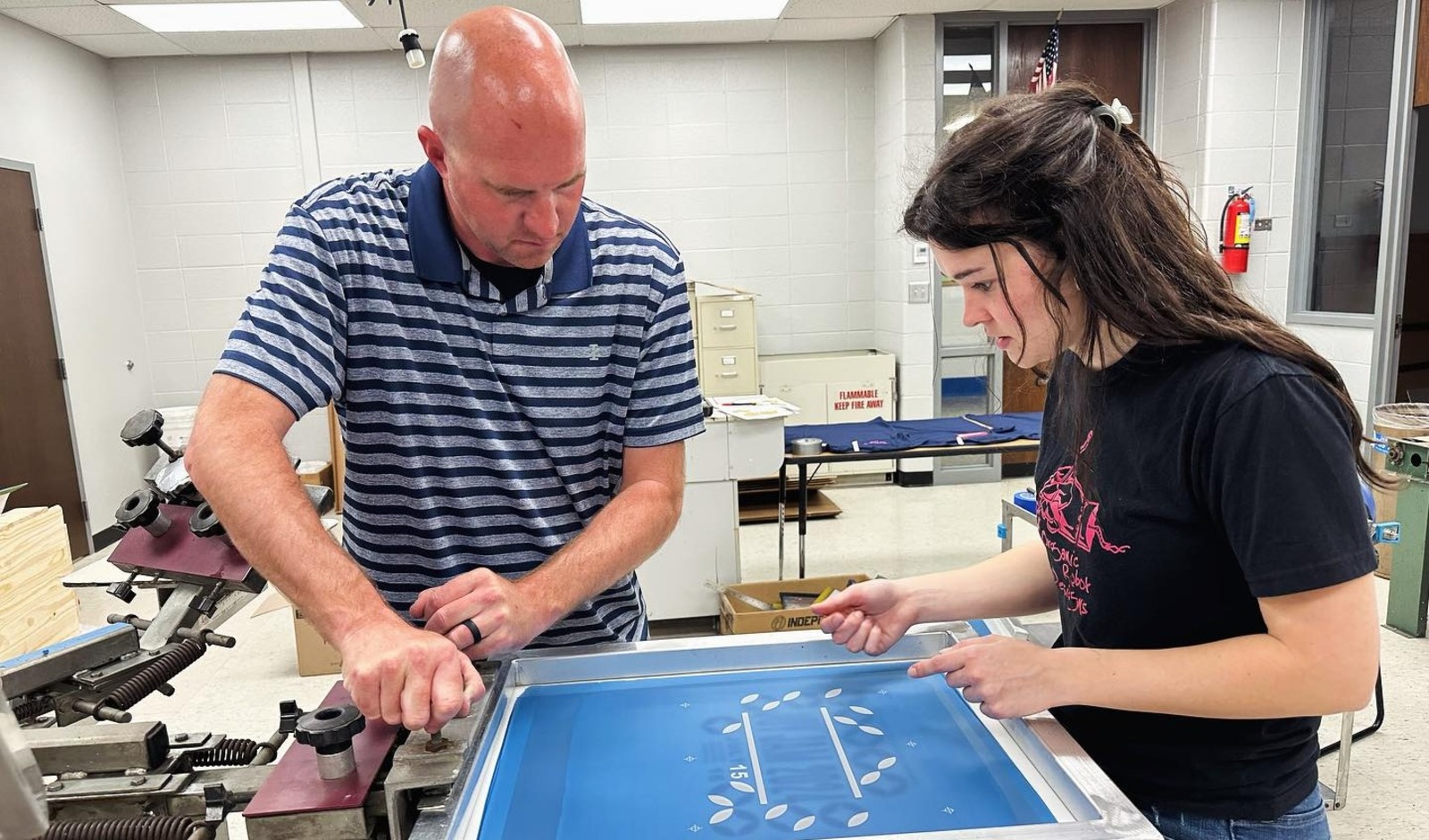
With a mission to ensure every student is seen, valued, and prepared for tomorrow, Eastern Hancock is making Future Ready Pathways a lived experience, particularly through its career advising and work-based learning models.
A Foundation of Promises
The district’s “Four Promises” serve as a compass:
- Joy: Learning should be engaging and meaningful.
- Connection: Relationships are the heart of learning.
- Growth: Every student can improve with the right support.
- Success: Every learner deserves to discover their version of success.
These promises are not just aspirational; they are operational. From micro-schools to mastery-based learning, Eastern Hancock’s culture is one of design thinking, personalization, and joyful learning. As Philhower notes, “When we center joy and connection, students not only succeed academically, they thrive as people.”
Pillar 1: Education and Career Navigation: Counselors as Catalysts
One of the unsung heroes of Eastern Hancock’s model is the school counselor. Even with a ratio of 370:1, flexible, student-centered scheduling allows counselors to meet students where they are, both academically and emotionally. They guide students through intentional career awareness and postsecondary planning, often co-developing Individualized Learning Plans (ILPs) that evolve throughout the high school experience.
Career exploration doesn’t start in high school; it’s embedded early. Beginning in pre-K, students are introduced to various careers through classroom discussions, community projects, and local partnerships. This early awareness sets the stage for deeper, personalized advising in middle and high school. The result? Students who not only graduate with plans, but with purpose. As Arellano explains, “We want kids to see that their future isn’t something they wait for; it’s something they actively build, starting now.”
Pillar 3: Work-Based Learning: From Classrooms to Careers
Eastern Hancock’s WBL program is the district’s centerpiece for Future Ready transformation. Under Arellano’s leadership, it has evolved from traditional “work release” models into a dynamic, student-centered system aligned to high-wage, high-demand careers.
Inspired by Switzerland’s apprenticeship model, more than 25% of the student body now participates in structured work-based learning experiences. These include internships, job shadowing, part-time employment, and even school-based enterprises. Students aren’t simply sent out; they’re matched intentionally based on their strengths, interests, and long-term goals.
“We don’t just place students anywhere,” Arellano says. “We listen to what they’re passionate about, and we build partnerships around that.”
Innovation in Action: CAFE Meetings & Industry-Aligned Advising
A standout practice is the district’s use of CAFE (Community and Family Engagement) Meetings, gatherings where community members, business leaders, educators, and students share coffee, conversation, and insights about evolving career fields. These informal yet strategic meetings foster alignment between classroom learning and workforce needs. Additionally, Industry-Specific Advisory Groups offer structured input into the direction of the WBL program. These groups help keep career pathways relevant, responsive, and rooted in local labor market realities. It’s an agile model, constantly listening, learning, and adjusting.
Joy, Purpose, and Personalization
A key throughline across all of Eastern Hancock’s work is student agency. Whether in WBL placements, course selection, or career advising, students are treated as active participants in their learning. Stories from the field reinforce this: One student who once felt invisible is now thriving in a paid internship that aligns with her dream of becoming a veterinarian. Another who struggled with traditional academics now runs a business through a school-supported entrepreneurship program. These aren’t exceptions; they’re the result of a system designed to believe in every child.
