

Empowering students for postsecondary success
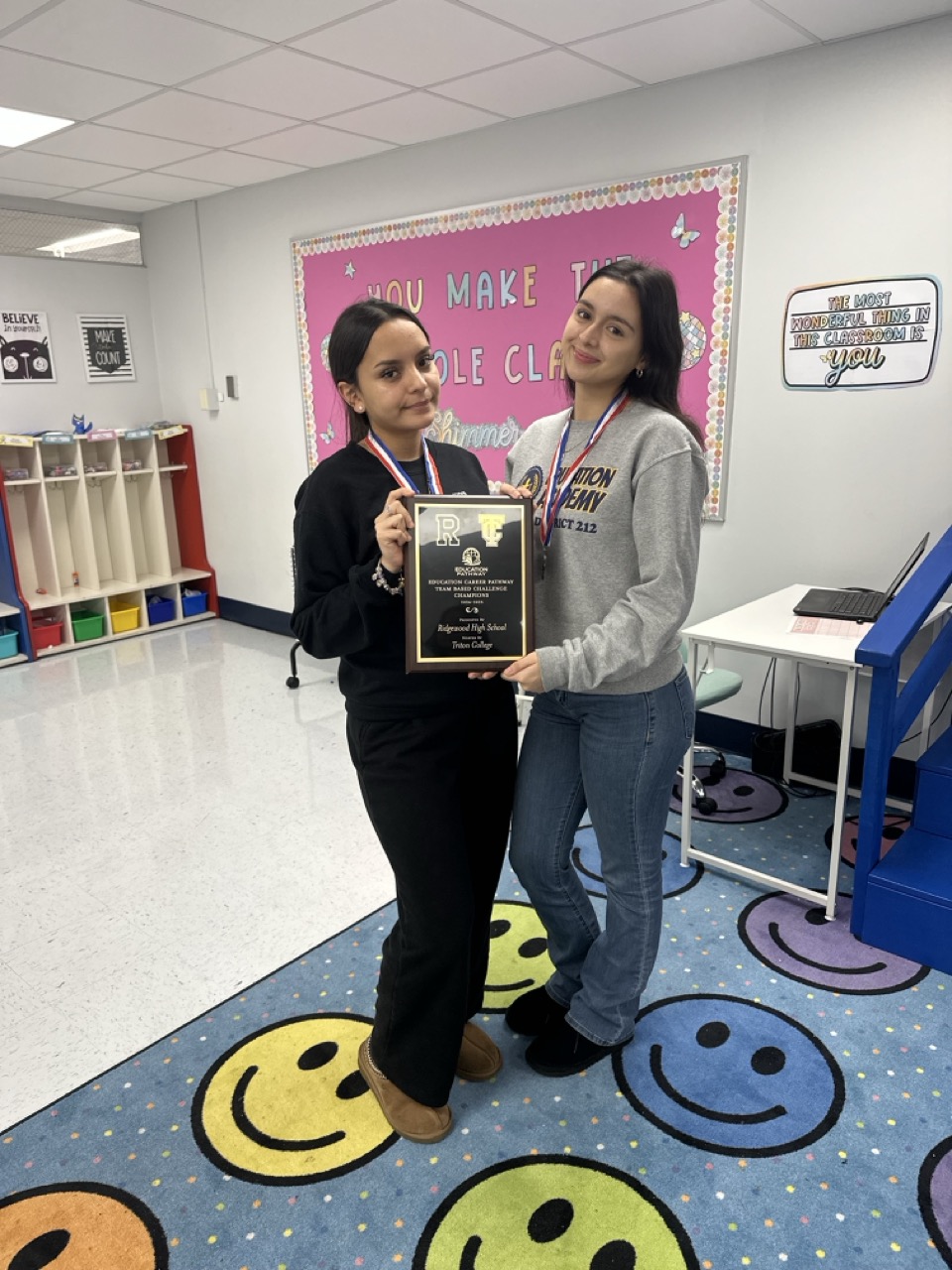
Located in the Chicago O’Hare region, Leyden High School District 212 is paving the way with innovative career pathways and intentional support systems that empower students for postsecondary success. Through a commitment to student-centered practices, community partnerships, and rigorous real-world learning, Leyden has evolved into a leading district that other schools nationwide look to as a model.
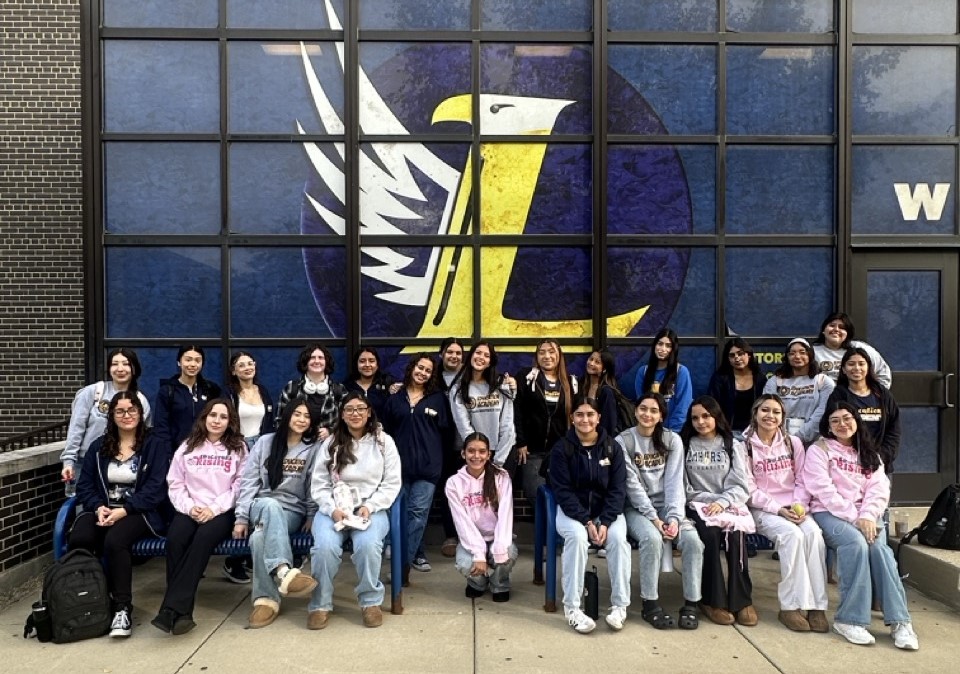

Program Overview
Leyden District 212 provides students with extensive opportunities to explore and engage in career and technical education (CTE), dual enrollment, and work-based learning. Central to their program are intentional, student-driven experiences such as Leyden Parent University (LPU), comprehensive student services at both East and West Leyden, and an innovative Postsecondary Workbook designed to systematically guide students in preparing for life after high school.
Career-Connected Exploration
As a high school district, intentional career exploration takes place throughout all four years, engaging students in identity-building experiences through advisory sessions. Students use structured career interest surveys, aptitude assessments, and reflective activities to align their interests, strengths, and passions with potential career pathways.
Pillar 1: Education and Career Navigation
Leyden’s robust advising system equips students with personalized guidance, tools, and support to develop clear postsecondary plans. Leyden maintains a student-to-counselor ratio of approximately 250:1, ensuring students have access to individualized support. Counselors and staff receive ongoing professional learning in college and career readiness, use of labor market data, implementation of the Post-Secondary and Workforce Readiness Framework, and effective advising strategies for diverse learners.
Central to Leyden’s comprehensive approach is the “My Postsecondary Workbook.” This extensive, 152-page resource was meticulously developed by educators within the district to serve as a structured roadmap guiding students through their entire high school journey. Embedded within regular advisory periods, the workbook facilitates career and educational planning, helping students explore career interests, evaluate aptitudes, set academic goals, and align their high school experiences with their postsecondary aspirations. Through a series of detailed, interactive activities, students continuously document and reflect on their academic progress, interests, and career goals. The workbook supports students in creating clear, personalized plans, ensuring they graduate confident and prepared for life after high school, whether they enter the workforce, pursue higher education, or both.
The evidence of impact at Leyden speaks for itself. Participation in dual-credit courses has increased significantly over the past five years, indicating a greater alignment between academic choices and postsecondary aspirations. Over 85% of seniors in Leyden report feeling confident and prepared for their next steps, according to student surveys. Leyden has seen steady increases in FAFSA completion, career pathway endorsements, and successful college enrollment and persistence.
Pillar 2: Dual Enrollment
Leyden has significantly expanded access to dual enrollment courses, increasing from a single class to a selection of 16 offerings. These courses provide students with rigorous, college-level coursework while still in high school, accelerating their postsecondary attainment and reducing the time and financial burden associated with earning degrees or credentials. Strategic partnerships with Triton College and Elmhurst University further reinforce seamless transitions to postsecondary institutions, and dual credit courses are offered on the high school campus at no cost to students. They are working to ensure that these opportunities are intentionally designed for all students and avoid “random acts of dual enrollment,” as evidenced by their 2025 recognition by the Illinois Workforce & Education Research Collaborative (IWERC) for how closely the demographics of those in dual enrollment courses matched their student population.
Pillar 3: Work-Based Learning
Leyden prioritizes authentic, real-world experiences through extensive work-based learning opportunities, including internships, apprenticeships, and job shadowing. Industry advisory councils, comprised of local business leaders, meet monthly and ensure that these experiences remain relevant to current labor market demands and provide meaningful engagement for students. Alumni engagement further enhances these opportunities, creating an effective pipeline that connects the classroom to career.
Pillar 4: Industry-Recognized Credentials
Leyden’s programs offer students opportunities to earn valuable, industry-recognized credentials that align with in-demand careers. Pathways such as advanced manufacturing and culinary arts provide students with certifications that signal readiness to employers, enhancing employability and providing multiple entry points to the workforce. Leyden intentionally uses a data-driven, pathway planning matrix to determine which career pathways are most relevant and valuable to offer our students. Their matrix incorporates key labor market indicators such as projected annual job openings, median wages, and other economic factors to prioritize pathways that align with both student interests and local workforce demand. The Leyden team believes this approach ensures that the programs they develop are responsive to real-world opportunities and prepare students for in-demand, sustainable careers.
Challenges and Obstacles
Early hurdles included establishing effective industry advisory councils, managing educator credentialing challenges for dual enrollment, and overcoming communication barriers with external partners. Leyden successfully navigated these challenges through strategic relationship-building, targeted marketing, professional learning adjustments, and proactive collaboration.
Equity, Access, and Inclusion
Leyden proactively addresses equity by conducting empathy interviews and developing inclusive, school-based enterprises. Initiatives such as the Gold and Bold Café, a school-based enterprise that provides practical experience and various certifications in food service, cafe operations, and hospitality, as well as tech support internships within the district, help mitigate common barriers, including transportation and cost, ensuring equitable access for all students. State grants further support equity-driven enhancements.
